Understanding Lipid Health
Understanding High Cholesterol
Cholesterol is often misunderstood, but it is actually a waxy, fat-like substance that is essential for your body to function correctly. Your body needs it to build healthy cells, produce hormones, and create vitamin D. Your liver produces all the cholesterol you naturally require, but it is also found in foods derived from animals, such as meat, poultry, and dairy products. While cholesterol itself isn’t inherently "bad," having too much of it circulating in your blood can pose significant health risks. When levels become excessive, the surplus cholesterol can begin to build up in your arteries, leading to long-term cardiovascular issues.
This condition is widely known as high cholesterol, or hyperlipidemia. One of the most challenging aspects of high cholesterol is its "silent" nature. Unlike many other health conditions that present with clear warning signs like pain, fever, or dizziness, high cholesterol typically causes no symptoms at all. You can feel perfectly healthy and fit while dangerous deposits are accumulating inside your blood vessels. Because of this, many people do not realize they have a problem until a serious event, such as a heart attack or stroke, occurs. Understanding the role of cholesterol, the importance of routine screening, and how lifestyle impacts your levels is the first step toward protecting your long-term heart health.
The Details of Cholesterol
Types, Risks, and Management of High Cholesterol
To understand high cholesterol, it is important to distinguish between the different types of lipids found in your blood. When you receive a cholesterol test, or lipid panel, you will see numbers for LDL, HDL, and triglycerides. LDL (low-density lipoprotein) is often called the "bad" cholesterol. It acts as the primary carrier of cholesterol to your tissues. If there is too much LDL, it can deposit in the walls of your arteries, contributing to thick, hard buildups known as plaque. Over time, this process—called atherosclerosis—narrows the arteries and restricts blood flow, increasing the risk of heart attack and stroke. Conversely, HDL (high-density lipoprotein) is known as the "good" cholesterol. It acts like a cleanup crew, carrying excess cholesterol away from the arteries and back to the liver to be processed and removed. Higher levels of HDL are generally protective for heart health. Finally, triglycerides are a type of fat used for energy; high levels of triglycerides often accompany high LDL and low HDL, further increasing heart risks.
Several factors contribute to the development of high cholesterol. Lifestyle choices play a major role. Diets high in saturated fats (found in red meat and full-fat dairy) and trans fats (found in some processed foods) trigger the liver to produce more cholesterol. A sedentary lifestyle with little physical activity can lower your "good" HDL cholesterol and raise the "bad" LDL. Being overweight or obese also disrupts how your body manages fats. Smoking is another critical risk factor, as it damages blood vessel walls, making it easier for fatty deposits to accumulate, while simultaneously lowering HDL levels.
However, lifestyle is not the only cause. Genetics can have a strong influence. High cholesterol can run in families, meaning you may inherit genes that cause your body to produce too much cholesterol or struggle to clear it from the blood. This condition, known as familial hypercholesterolemia, can lead to high levels even in young, healthy individuals. Age and sex also matter; cholesterol levels tend to rise as we get older, and women often see an increase in LDL levels after menopause due to hormonal changes.
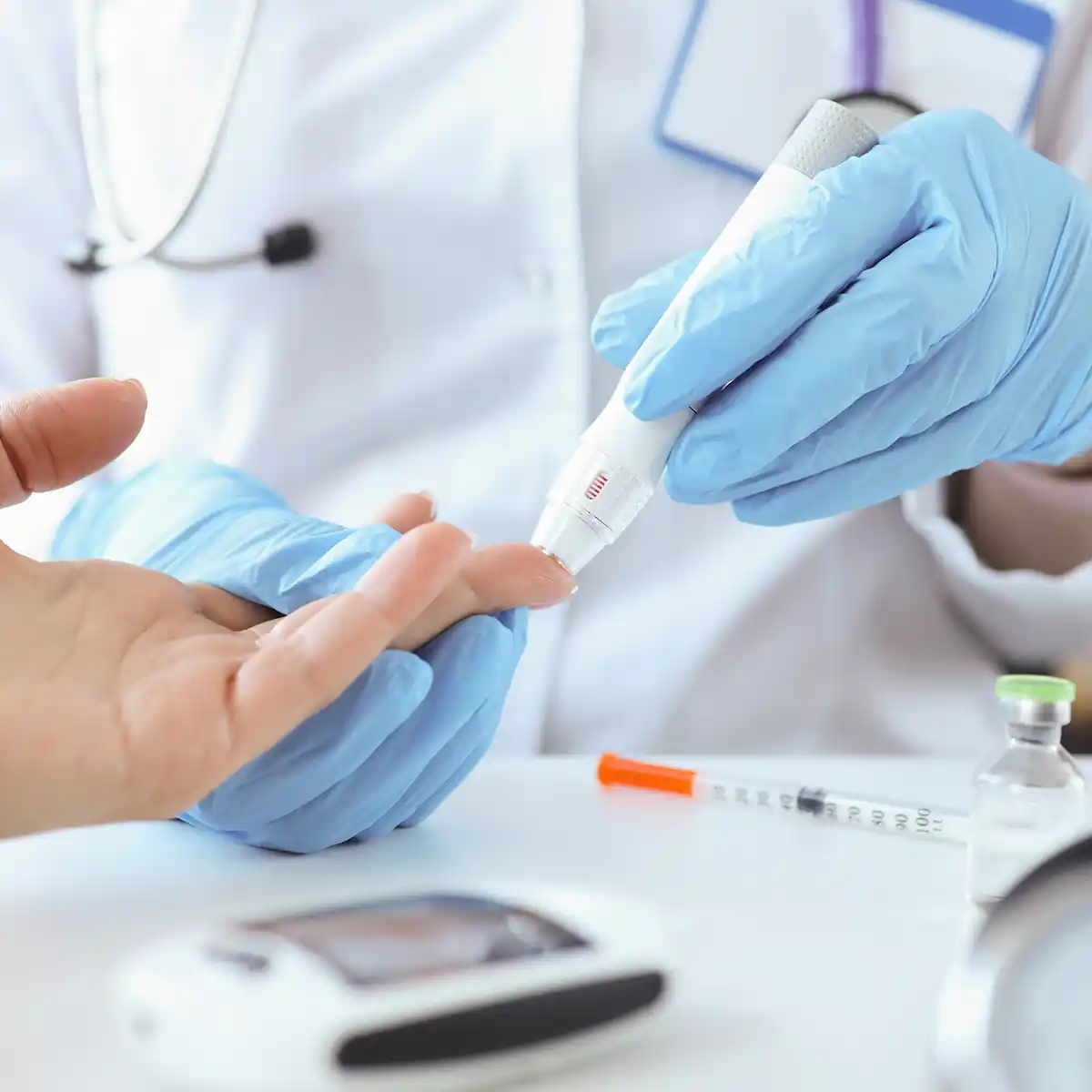
Because high cholesterol has no symptoms, diagnosis relies entirely on blood testing. A lipid panel measures your total cholesterol, LDL, HDL, and triglycerides. For adults, a total cholesterol level below 200 mg/dL is considered healthy, while levels above 240 mg/dL are considered high. Managing high cholesterol focuses on preventing the dangerous buildup of plaque. This is primarily achieved through lifestyle modifications such as adopting a heart-healthy diet rich in fruits, vegetables, and whole grains, and engaging in regular aerobic exercise. For some, medication such as statins may be necessary to lower levels effectively. By keeping cholesterol in check, you can significantly reduce the risk of cardiovascular disease and maintain a healthier heart for the future.
Frequently Asked Questions
What is the difference between "good" and "bad" cholesterol?
The terms "good" and "bad" refer to how different lipoproteins act in the body. LDL (low-density lipoprotein) is "bad" because it transports cholesterol to your arteries, where it can build up as plaque and cause blockages. You want this number to be low. HDL (high-density lipoprotein) is "good" because it works to remove excess cholesterol from the bloodstream and transport it to the liver for elimination. Higher levels of HDL are linked to a lower risk of heart disease.
Why is high cholesterol called a "silent" problem?
High cholesterol is often described as "silent" because it typically presents no physical symptoms. You generally cannot feel that your cholesterol is high; it does not cause headaches, fatigue, or pain. As a result, plaque can accumulate in the arteries for years without a person knowing it. Often, the condition is only discovered during a routine blood test or, unfortunately, after a significant medical emergency like a heart attack or stroke has already occurred.
Can I have high cholesterol if I am thin and exercise?
Yes, it is a common misconception that only overweight individuals have high cholesterol. While weight and diet are major factors, genetics play a significant role. Some people inherit genes that cause their bodies to produce excessive cholesterol or make it difficult to filter it out of the blood. Consequently, a person can be thin, active, and eat well but still have elevated cholesterol levels. This is why routine screening is recommended for all adults, regardless of body type or fitness level.
Prioritizing Regular Screenings
Regular lipid screenings are simple blood tests that provide essential information about your cardiovascular health. It is recommended that adults age 20 and older get their cholesterol checked every four to six years, or more frequently if they have other risk factors.
Take Charge of Your Heart Health
Knowledge is your best defense against heart disease; understanding your cholesterol numbers empowers you to make informed decisions for a longer, healthier life.