Understanding Blood Pressure
A Guide to High Blood Pressure (Hypertension)
High blood pressure, also known as hypertension, is a common condition where the force of blood pushing against the walls of your arteries is consistently too high. Over time, this elevated pressure can damage blood vessels and vital organs, increasing the risk for serious health problems. Because it often has no warning signs or symptoms, it is sometimes called the "silent killer." Understanding what high blood pressure is and what factors contribute to it is the first step toward managing your health effectively.
This condition is categorized into several stages, from normal to hypertensive crisis, based on systolic and diastolic readings. Many factors can contribute to developing high blood pressure, including non-modifiable risks like family history and age, as well as modifiable risks related to lifestyle. Recognizing these factors allows for proactive steps toward prevention and management. This guide provides a neutral, informational overview of hypertension, its causes, and the lifestyle changes that can help maintain healthier blood pressure levels.
Causes, Risks, and Complications
Understanding Hypertension in Detail
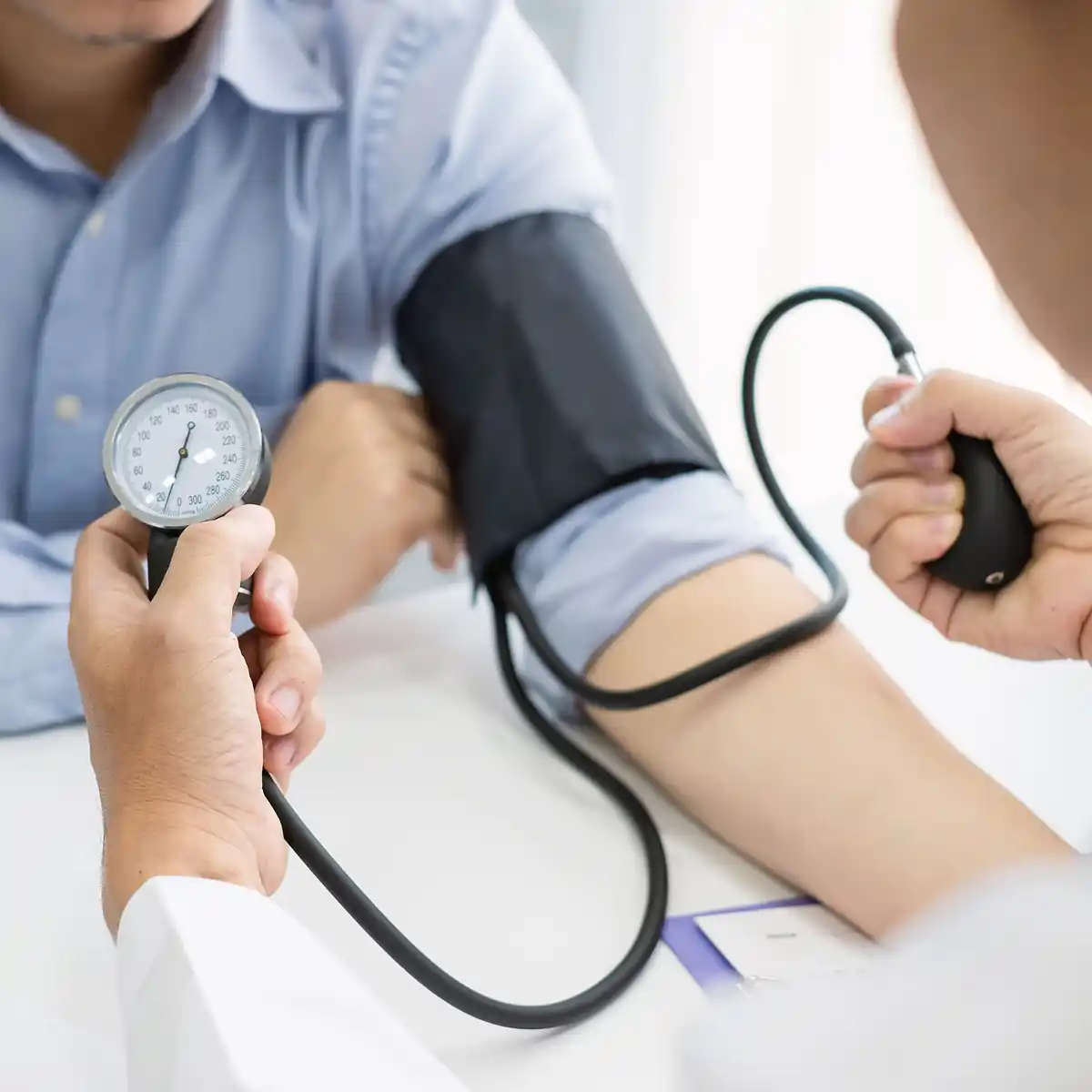
High blood pressure is diagnosed based on specific readings. A normal blood pressure is below 120/80 mm Hg. Readings consistently between 130-139 systolic or 80-89 diastolic indicate Stage 1 hypertension, while readings of 140/90 mm Hg or higher are considered Stage 2. Most cases (90-95%) are classified as primary hypertension, which develops gradually over time with no single identifiable cause. The remaining cases are secondary hypertension, caused by an underlying condition such as kidney disease, hormonal disorders, or sleep apnea.
A variety of risk factors contribute to the development of hypertension. Some are non-modifiable, meaning they cannot be changed, and include a family history of the condition, advancing age, and race or ethnicity. However, many risk factors are modifiable and linked to lifestyle. These include a lack of physical activity, an unhealthy diet high in sodium, obesity, excessive alcohol consumption, smoking, and chronic stress.
While hypertension typically shows no symptoms, it can lead to severe health complications if left unmanaged. The constant high pressure can damage arteries and lead to heart disease, heart attack, stroke, and heart failure. It can also cause aneurysms, kidney damage, vision loss (retinopathy), and cognitive decline. Because of these potential dangers, regular monitoring and management are crucial for long-term health.
Frequently Asked Questions
What are the main causes of high blood pressure?
High blood pressure usually develops over many years and can result from a combination of factors. In most cases, there is no single identifiable cause; this is known as primary hypertension. It is often linked to lifestyle factors like a diet high in sodium, lack of physical activity, obesity, and excessive alcohol use. Non-modifiable risk factors such as family history, age, and ethnicity also play a role. In a smaller number of cases, high blood pressure is caused by an underlying medical condition, which is called secondary hypertension.
Can you have high blood pressure and not know it?
Yes, it is very common to have high blood pressure without experiencing any symptoms. This is why it is often referred to as the "silent killer." Many people are unaware they have the condition until it is discovered during a routine medical check-up. In very severe cases, known as a hypertensive crisis, symptoms like severe headaches, dizziness, shortness of breath, or chest pain may occur. Regular blood pressure screening is the only reliable way to know if your levels are elevated.
What lifestyle changes can help manage high blood pressure?
Lifestyle modifications are a cornerstone of managing hypertension. Adopting a heart-healthy diet, such as the DASH (Dietary Approaches to Stop Hypertension) diet, which is rich in fruits, vegetables, and whole grains while limiting sodium, is highly effective. Regular physical activity, aiming for at least 150 minutes of moderate exercise per week, is also crucial. Additionally, managing stress through techniques like meditation or yoga, achieving and maintaining a healthy weight, and limiting alcohol intake can all significantly contribute to lowering blood pressure.