Key Takeaways
- Falls are common among older adults, and roughly one in four adults over 65 reports falling each year, according to Mayo Clinic.
- Physical warning signs like unsteady balance, muscle weakness, and slower walking speed often appear before a fall happens.
- Certain medications, especially when taken in combination, can increase the likelihood of a fall.
- Simple home and lifestyle changes can meaningfully reduce fall risk without major disruption.
- Comprehensive Health Center's geriatric care team can assess fall risk and build a prevention plan, so families should request an appointment if they notice any warning signs.
Why Fall Risk Deserves Attention Before a Fall Happens
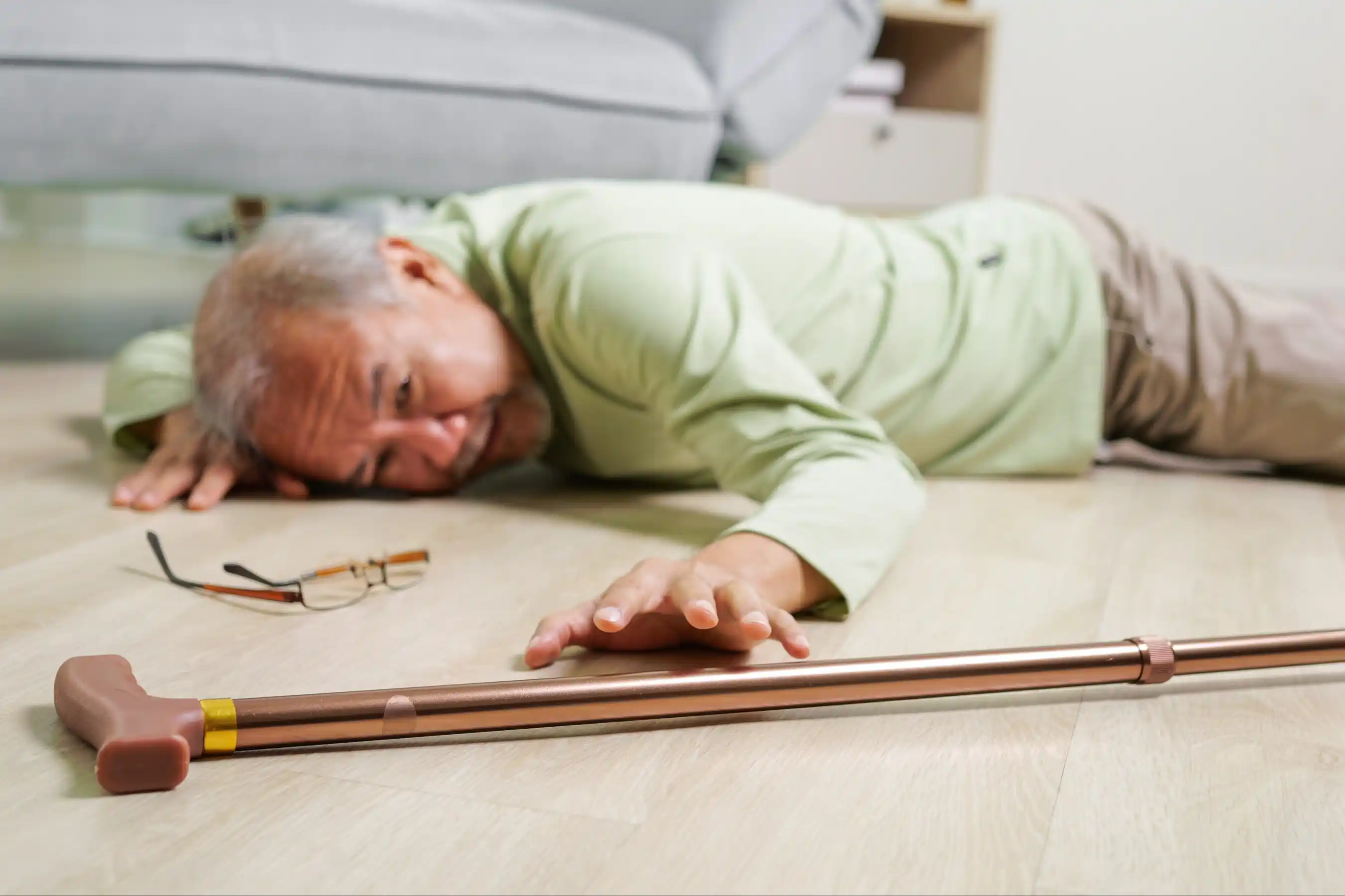
Falls are one of the most common, and most preventable, health risks facing older adults. According to Mayo Clinic, roughly one in four adults over 65 reports falling each year, and falls are a leading cause of injury among older adults. Physical changes, health conditions, and some of the medicines used to treat those conditions all make falls more likely with age. Because the warning signs often build gradually, they can be easy to dismiss as normal aging rather than a signal to take action.
Recognizing these signs early gives families and care teams the chance to intervene before an injury occurs.
Common Physical Warning Signs of Fall Risk
Fall risk rarely appears out of nowhere. Watch for these physical signs in a parent or loved one:
- Unsteadiness when standing up from a chair or bed.
- A slower, more shuffling walking pace.
- Holding onto furniture or walls while moving around the house.
- Recent near-falls or 'close calls,' even if no fall occurred.
- Muscle weakness, particularly in the legs.
- Dizziness or lightheadedness when standing up quickly.
- Difficulty seeing clearly, especially in low light.
The National Institute on Aging names age-related loss of muscle mass, known as sarcopenia, along with problems with balance and gait and blood pressure that drops too much when standing up, called postural hypotension, as risk factors for falling. It also points to foot problems that cause pain and unsafe footwear, and notes that eyesight, hearing, and reflexes may not be as sharp as they once were. Any one of these signs on its own may not be cause for alarm, but several appearing together are worth discussing with a doctor.
How Certain Medications Can Contribute to Fall Risk
Medications are an often-overlooked contributor to fall risk. The National Institute on Aging explains that some medications raise the risk of falling because they cause side effects such as dizziness or confusion, and that the more medications a person takes, the more likely they are to fall.
Mayo Clinic notes that a care team may consider weaning a patient off medicines that cause tiredness or affect thinking, including sedatives, antihistamines, and some types of antidepressants, and recommends bringing a list of all prescription and nonprescription medicines and supplements to the appointment. Combining several such medications, a pattern known as polypharmacy, can compound the risk. The National Institute on Aging notes that inappropriate polypharmacy, meaning the use of excessive or unnecessary medications, increases the risk of adverse drug effects including falls and cognitive impairment. That is why a periodic medication review with a geriatric care provider is one of the most effective fall-prevention steps available.
Home and Lifestyle Factors That Increase Risk
Beyond physical and medication-related warning signs, the environment where a senior spends most of their time plays a major role in fall risk. Common contributing factors include:
- Loose rugs or clutter in walkways.
- Poor lighting, especially on stairs or in hallways.
- Lack of grab bars in bathrooms.
- Uneven or unstable flooring transitions between rooms.
- Footwear that lacks proper support or traction.
- A sedentary lifestyle that leads to reduced strength and balance over time.
Addressing even a few of these factors can meaningfully lower the chance of a fall at home.
How Geriatric Care Visits Assess Fall Risk
A geriatric care visit typically includes a structured fall-risk assessment as part of routine care, not just as a response to an injury. This generally involves reviewing a patient's fall history, testing balance and gait, and evaluating strength.
At Comprehensive Health Center, fall-risk screening is built into geriatric care visits alongside a full medication review, so any risk factors, whether physical or medication-related, can be caught and addressed in the same appointment. The practice's in-house lab and pharmacy also make it easier to follow through on any recommended testing or medication changes without added trips.
Simple Steps Families Can Take Right Away
While a full fall-risk assessment is best done with a geriatric care provider, families can start reducing risk today with a few practical steps:
- Clear walkways of loose rugs, cords, and clutter.
- Add nightlights to hallways and bathrooms.
- Install grab bars near the toilet and in the shower.
- Review current footwear for proper fit and traction.
- Schedule a vision check if it has been more than a year since the last one.
- Bring a full list of medications to the next doctor's visit for review.
These changes are inexpensive and can be made quickly, often before a formal assessment even takes place.
Talk to Comprehensive Health Center About Fall Risk
Recognizing the warning signs of increased fall risk early gives your family the chance to act before an injury changes everything. Comprehensive Health Center's geriatric care team builds fall-risk screening and medication review into every visit, so risk factors are addressed as part of ongoing care, not just after a fall.
If you have noticed any of these warning signs in a parent or loved one, request a geriatric care appointment with Comprehensive Health Center in Miami or Orlando to have their fall risk evaluated.
Frequently Asked Questions
What are the risk factors for falls in the elderly?
Common risk factors include muscle weakness, poor balance, certain medications, vision problems, and home hazards like clutter or poor lighting. Having fallen once also significantly increases the chance of falling again.
How can I find fall prevention for elderly parents near me?
Look for a geriatric care provider that includes fall-risk screening as a routine part of care. Comprehensive Health Center offers this type of assessment during geriatric care visits in Miami and Orlando.
At what age should I be concerned about fall risk?
There is no specific age when fall risk begins, but concern generally increases for adults over 65, especially those with multiple chronic conditions, several medications, or a prior fall.
Can medications really cause falls?
Yes. Mayo Clinic names sedatives, antihistamines, and some types of antidepressants among the medicines a care team may reconsider to lower fall risk, since they can cause tiredness or affect thinking. The National Institute on Aging adds that the more medications a person takes, the more likely they are to fall, which is why medication reviews are an important part of fall prevention.
What should I do if my parent has already had a fall?
Schedule a medical evaluation as soon as possible, even if no injury is apparent. A fall-risk assessment can help identify what caused the fall and what can be done to prevent another one.
Does Comprehensive Health Center screen for fall risk during regular visits?
Yes. Fall-risk screening is included as part of geriatric care visits at Comprehensive Health Center, alongside medication review and other health assessments.
